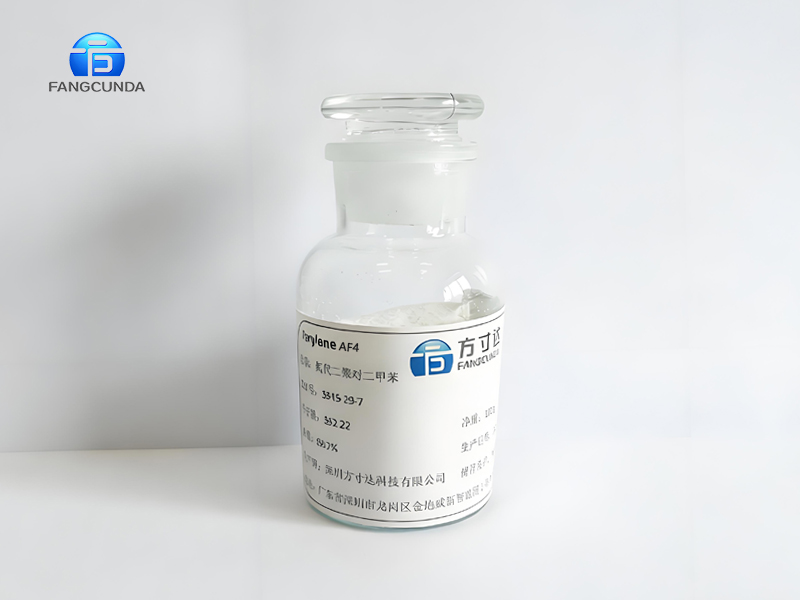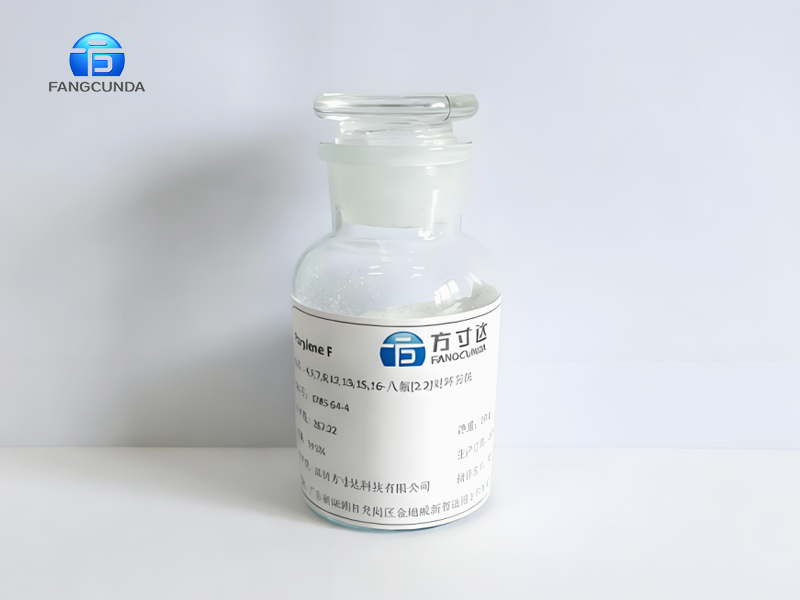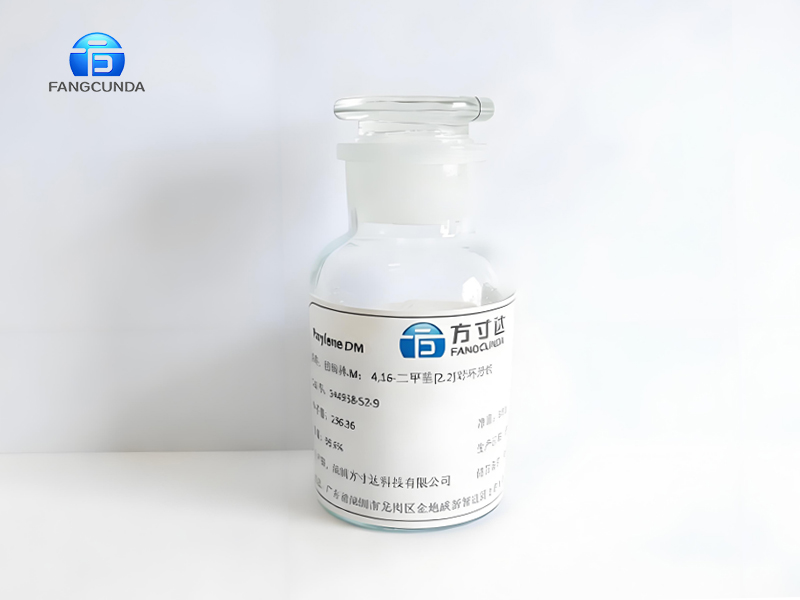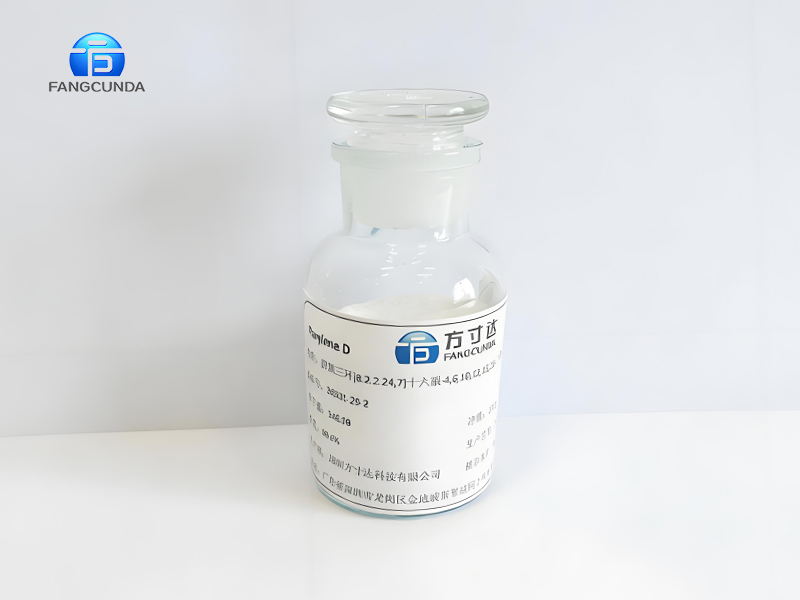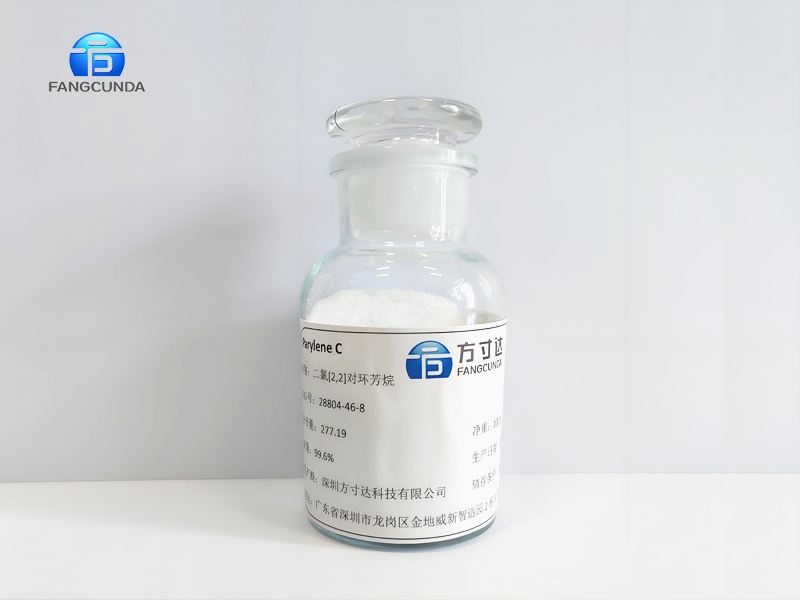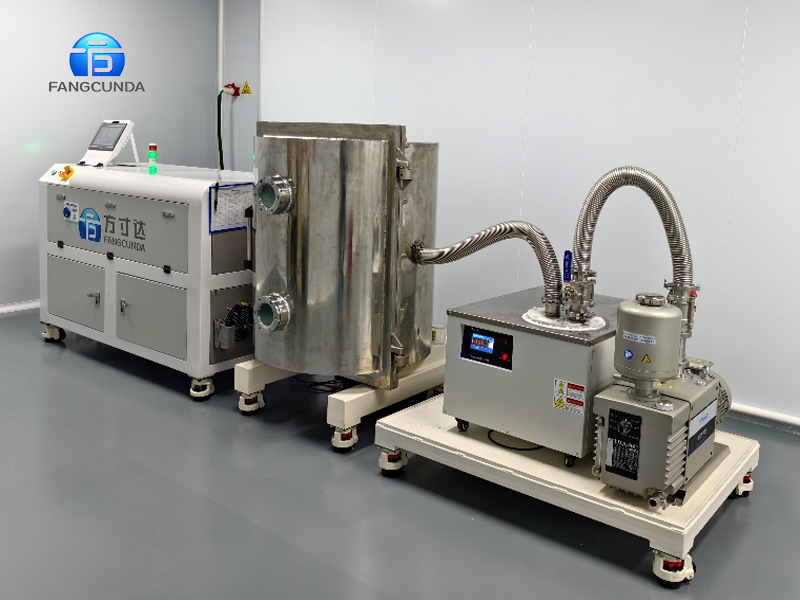
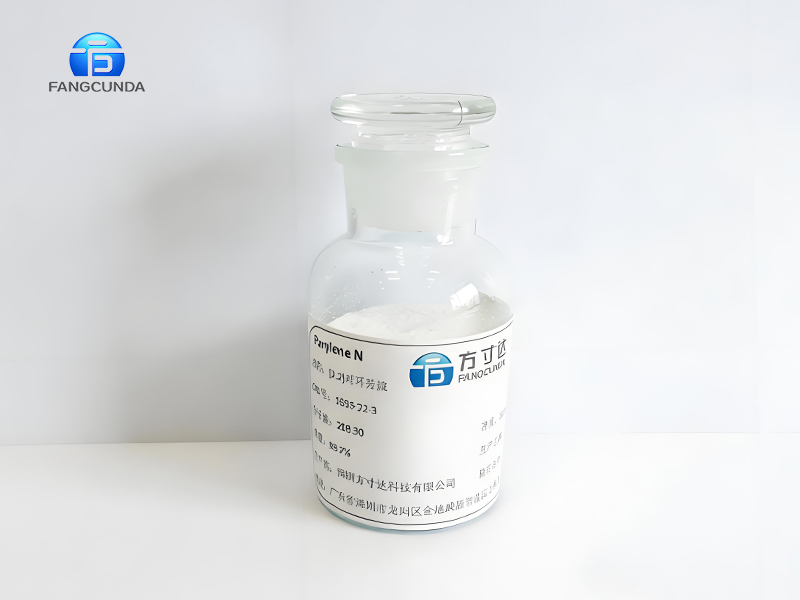
Parylene N dimer is the fundamental raw material used to produce Parylene N coatings and represents the most basic and high-purity type of Parylene. With its simple molecular structure and low impurity content, it enables the formation of uniform, dense, and pinhole-free conformal coatings through the chemical vapor deposition (CVD) process. Parylene N offers excellent dielectric properties, including a low dielectric constant and low dissipation factor, making it particularly suitable for insulating high-frequency electronics and precision components. In addition, its superior penetration capability and precise thickness control allow it to effectively coat complex geometries, making it widely used in electronics, semiconductors, sensors, and MEMS applications.
지금 문의 보내기
Chemical Identification
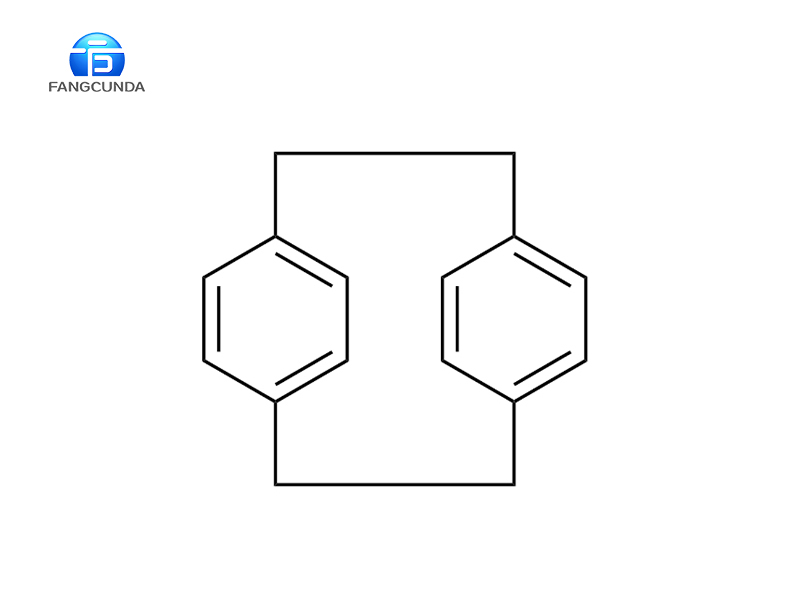
Alternative Name: Parylene N Dimer,[2.2] Paracyclophane
Molecular Formula: C16H16
Molecular Weight: 208.3
CAS Number: 1633-22-3
2. Physical & Chemical Properties
| Melting point: | 285-288℃ |
| Density | 1.01g/cm |
| Purity | 99% |
• High Purity Material
Parylene N Dimer is synthesized with extremely low impurity levels
Ensures consistent coating performance and reliability
Suitable for high-precision applications such as electronics and semiconductors
• Excellent Dielectric Properties
Very low dielectric constant (~2.65)
High dielectric strength
Ideal for insulating sensitive electronic components
• Superior Penetration Ability
Small molecular structure allows deep penetration
Provides uniform, pinhole-free conformal coatings
Effectively coats complex geometries, crevices, and microstructures
• High Conformality
Deposited via Chemical Vapor Deposition (CVD)
Forms ultra-thin, uniform coatings even on intricate surfaces
Thickness can be precisely controlled at the micron level
• Good Mechanical Properties
Flexible and stress-resistant
Maintains coating integrity under mechanical stress
Suitable for dynamic or delicate components
• Low Dissipation Factor
Excellent signal transmission performance
Minimizes energy loss in high-frequency applications
• Chemical Stability
Resistant to many organic solvents and mild chemicals
Provides basic environmental protection
Printed Circuit Boards (PCBs)
Sensors and MEMS devices
Semiconductor components
Capacitors and RF electronics
Laboratory and precision instruments
궁금한 점이 있으신데 전문가에게 문의하고 싶으신가요? 여러분의 문의를 기다리겠습니다!

 Korean
  English
  Russian
  German
  Italian
  Japanese